

 Back to Blogs
How Long Do Exterior Doors Typically Last in Virginia Homes?
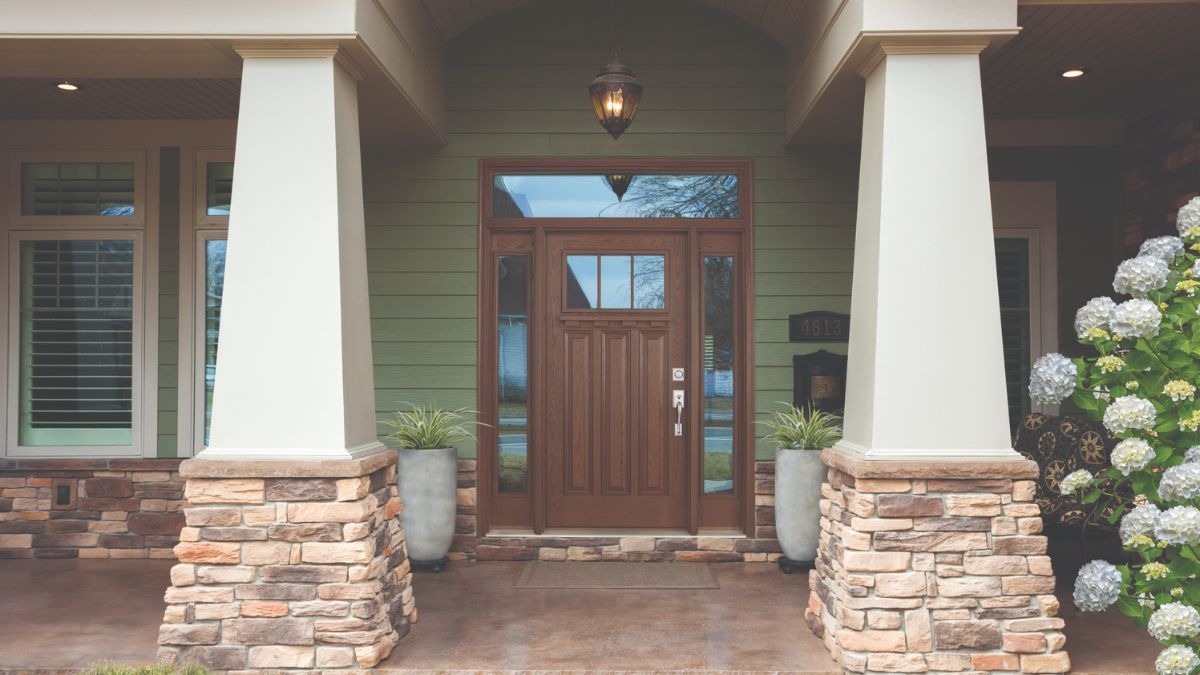
A well-built fiberglass entry door commonly lasts 20 to 30 years, and garage doors often run 15 to 30. Virginia's humid summers, cold winters, and steady rain can shorten those numbers, especially when the frame, seal, or installation falls short. Knowing the range for each door type helps you plan exterior door replacement in Winchester, VA, before a small draft turns into a bigger problem. Read the blog post to learn how long exterior doors typically last in Virginia homes.
How Long Do Different Types of Exterior Doors Last?
Lifespan depends on the door type, how often you use it, and how well it's fitted. Here is a realistic picture for the doors most Virginia homes have.
- Fiberglass entry doors: Commonly cited at 20 to 30 years with routine care. Fiberglass doesn't rot, rust, or warp like older door materials, which is why it suits a climate that swings between damp and freezing. Sources do vary on this range, so treat it as a planning guide, not a promise.
- Storm doors: These take a beating from sun, wind, and slamming. The glass, screen, closer, and hinges tend to wear out before the frame, and usable life depends heavily on how often the door opens.
- Patio doors, hinged and sliding: Heavy daily traffic is the main enemy. Sliding units wear at the rollers and track, while hinged units rely on hinges and weatherstripping staying tight.
- Garage doors: Most last 15 to 30 years. The panels often outlive the moving parts, because springs, rollers, and cables commonly need attention somewhere in the 5 to 10 year range, depending on how many times a day the door runs.
One safety note on garage doors: the springs are under serious tension. Only trained professionals should handle adjustments and replacements; it's not a weekend project.
What Factors Determine How Long an Exterior Door Lasts?
Two identical doors on two different houses can age very differently. These five factors do most of the damage, or most of the protecting.
- Moisture: Rain, snow melt, and humidity collect at the bottom of a door and along the sill. Frames that stay damp swell, stain, and soften over time.
- Sun exposure: A door facing south or west takes more UV light. The finish fades first, and constant heat cycling stresses seals and glass edges.
- Installation quality: A door that is not measured, squared, and sealed correctly can leak air from day one, no matter how good the door itself is. Gaps around the frame shorten the life of everything attached to it.
- How often it opens: A family entry used twenty times a day wears hinges and latches far faster than a seldom-used side door.
- Weatherstripping and hardware: The thin seal around the door edge is the first thing to wear out. Once it flattens or cracks, air and water get in.
Efficiency plays a part too. You may see a label called U-factor, which measures how quickly heat passes through a door. A lower number means better insulation. ENERGY STAR certified doors are independently tested against U-factor and solar heat gain standards, so the label is a useful shortcut when comparing options.
Simple habits help any door last longer. Wipe it down a few times a year, look over the weatherstripping each season, and keep gutters clear so water does not pour down the entry.
Signs Your Exterior Door May Need Replacement
Age alone is a poor guide. Condition tells the real story. Watch for these warning signs:
- Drafts or whistling around the edges, especially on windy days.
- Daylight showing around the door when it is closed.
- A door that sticks, drags on the floor, or needs a shoulder to latch.
- A deadbolt that no longer lines up with the strike plate.
- Soft, stained, or crumbling material near the base of the frame.
- Visible warping, cracks, or gaps between the door and frame.
- Fogging between the panes of a glass insert.
- A garage door that runs loudly, moves unevenly, or hesitates.
One symptom alone does not always mean a new door. Several together usually mean it is time to look at exterior door replacement in Winchester, VA. A frame that has shifted out of square keeps pulling a door out of line, and patching the symptoms rarely changes the outcome.
Replacement means the old door comes out completely and a brand-new door goes in as a full unit with a new frame. That gives you a clean fit and fresh seals in one step. If long-term moisture has damaged the wall structure around the opening, a licensed contractor needs to address that before any new door goes in.
Bottom Line
Most fiberglass entry doors serve a household for two to three decades, and garage doors land in a similar range. Virginia's moisture, temperature swings, and sun can cut that short when installation or sealing is weak. Pay attention to drafts, sticking, warping, and soft frame material, since those clues show up long before a door fails outright. When several appear together, exterior door replacement in Winchester, VA, is usually the practical call, and professional installation protects both performance and warranty coverage.
Planning a door project this year? Window World of Winchester installs fiberglass entry doors, and you can request a Free Quote to get started.
Frequently Asked Questions
-
Most last 20 to 30 years with routine care, and garage doors typically last 15 to 30 years. Climate, sun exposure, and installation quality can move those numbers either way.
-
Replace it when you see drafts, warping, sticking, or moisture damage, not on a fixed calendar. Many fiberglass doors last 20 years or more before that point.
-
Commonly 20 to 30 years. Fiberglass does not rot or rust, so humid summers do less harm, though strong sun can fade the finish over time.
-
Look for gaps, soft or stained spots near the base, cracks, and a door that no longer sits square in its opening. Several of these together point toward replacement.
-
It can. Tighter seals and better insulation reduce drafts and ease the load on heating and cooling systems, and ENERGY STAR certification helps confirm efficiency.
-
Yes. A door that is measured, squared, and sealed correctly stays tight longer, while gaps from a poor fit lead to drafts and early wear.