

 Back to Blogs
Common Door Problems Virginia Homeowners Shouldn't Ignore Before Winter
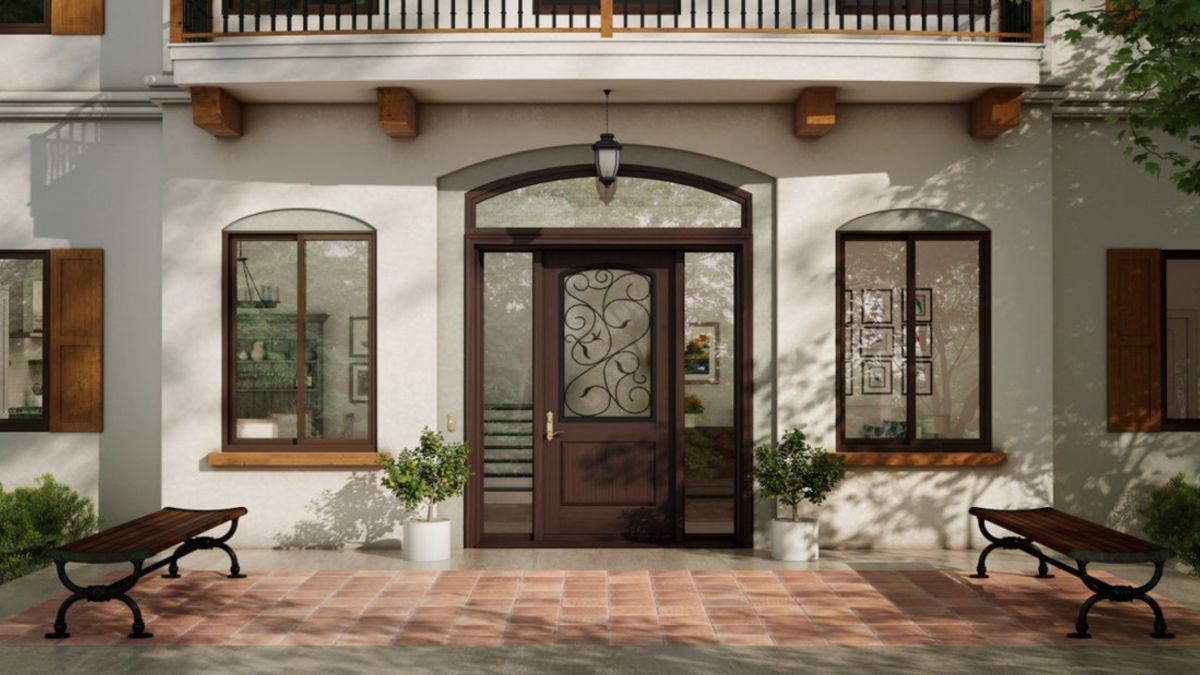
A whistle of cold air near the front hallway or a door that suddenly takes extra muscle to shut are easy to brush off in October, but they rarely fix themselves once temperatures drop. Colder months expose weak spots that milder weather has been hiding all along, which is why recognizing Door Problems Virginia Homeowners face each fall matters before the first hard freeze arrives.
Why Door Problems Matter More As Temperatures Drop
Why do door problems get worse in winter? Cold air makes even small gaps feel much larger, and materials that have already started to wear tend to shift further once temperatures swing from warm afternoons to freezing nights.
Drafts and Air Leaks
How do I know if my door is letting in cold air? Hold your hand near the edges of the door frame on a windy day. A steady stream of air or a visible flicker in a nearby candle flame usually means the seal has broken down, allowing outside air to enter. For homeowners looking to reduce drafts and maintain more consistent indoor temperatures, How Energy-Efficient Doors Help Virginia Homes Stay Comfortable Year-Round is a helpful next step to consider.
Sticking or Misaligned Doors
A door that used to close with a light push but now needs a shoulder behind it is often a sign that the frame has shifted or the panel has warped slightly. Why is my door hard to close in cold weather? Temperature swings cause wood and composite materials to expand and contract, which can throw a previously smooth-operating door out of alignment.
Cracked or Warped Panels
Visible cracks, splintering, or a panel that no longer sits flush against the frame are signs of deterioration that tend to accelerate once cold, damp weather sets in. These issues affect both how the door looks and how well it seals your entryway against the elements.
Door Problems Virginia Homeowners Should Watch for This Winter
- Weatherstripping Wear: Weatherstripping compresses and hardens with age, and once it loses its shape, it can no longer create a tight seal. Can worn weatherstripping cause higher energy bills? A weak seal lets conditioned air escape, so heating systems often work harder to keep rooms comfortable.
- Frame and Threshold Gaps: What causes gaps around a door frame? Gaps at the bottom of the door or along the frame let in cold drafts and moisture. These gaps can widen as the surrounding frame material continues to shift with the seasons.
- Moisture Damage: Can moisture damage a door frame over time? Rain and snow that collect near an entryway can seep into a door's frame or base, leading to soft spots or discoloration. Left unaddressed, moisture damage tends to spread and weaken the structure over multiple seasons.
How Winter Weather Puts Extra Strain on Exterior Doors
Does winter weather cause more damage to exterior doors? Virginia winters bring freezing nights, occasional snow, and damp cold spells, and exterior doors absorb that shift every year.
Repeated freezing and thawing can stress seals, hinges, and frames, especially on doors already showing minor wear. Homeowners who notice new drafts or stiffness heading into winter are often seeing prior seasons catch up at once.
Why These Door Problems Get Worse If Ignored
What happens if I ignore a drafty door all winter? Small issues rarely stay small. A minor draft can widen into a persistent air leak, and a door that sticks occasionally can become difficult to operate every day. Addressing early warning signs helps homeowners avoid a bigger, more disruptive problem once the coldest months arrive.
When to Consider a Full Door Replacement
Not every issue calls for replacement. A loose hinge or a small gap in the weatherstripping may be resolved with minor adjustments. However, when a door shows several problems at once, such as persistent drafts, difficulty closing, and visible wear, Door Problems Virginia Homeowners deal with repeatedly are often better solved with a full replacement than ongoing patchwork fixes. Homeowners often ask, When Should Winchester, VA Homeowners Replace Their Exterior Doors? The answer depends on the door’s condition, energy efficiency, and whether repairs can provide a long-term solution.
Any structural issues with the surrounding frame should be evaluated by a licensed contractor first, before a new door is installed.
What to Look For in a Winter-Ready Replacement Door
How do I choose a door that performs well in cold weather? Window World of Winchester offers a range of entry doors, including Fiber-Classic and Classic Craft styles built with insulation and weatherstripping for consistent performance. For homes with a back or side entrance, our patio doors offer an alternative, and our storm doors provide extra protection against winter weather.
Preparing Your Home Before the Cold Sets In
When is the best time to replace an exterior door before winter? Scheduling an evaluation before the coldest weather arrives gives homeowners time to address any issues without rushing. Requesting a free quote allows our team to look at your entryway and walk you through options suited to your home.
Conclusion
Drafts, sticking hardware, warped panels, and worn weatherstripping are all signs that an entryway may need attention before winter arrives.
Recognizing these Door Problems Virginia Homeowners encounter each fall gives you time to make an informed decision rather than facing a bigger issue mid-season. Explore our entry door styles and request your free quote to see how a winter-ready replacement door could improve your home's comfort this season.
Frequently Asked Questions
-
Feel for drafts around the edges, check for daylight around the frame, and notice if nearby rooms feel colder. These are common signs a door is no longer sealing properly.
-
Yes, freezing temperatures cause materials to contract, which often widens existing gaps and makes drafts more noticeable. Problems that were minor in warmer months tend to become obvious in winter.
-
A single issue may only need a minor adjustment, but doors with several problems, such as drafts and sticking, usually benefit more from full replacement than from repeated repairs.
-
A properly sealed door can help reduce drafts and maintain more consistent indoor temperatures. Comfort improvements depend on the specific door and how well it fits the surrounding frame.
-
Check for drafts, difficulty closing, visible cracks, and worn weatherstripping. Addressing these signs early helps homeowners avoid larger issues once colder weather sets in.